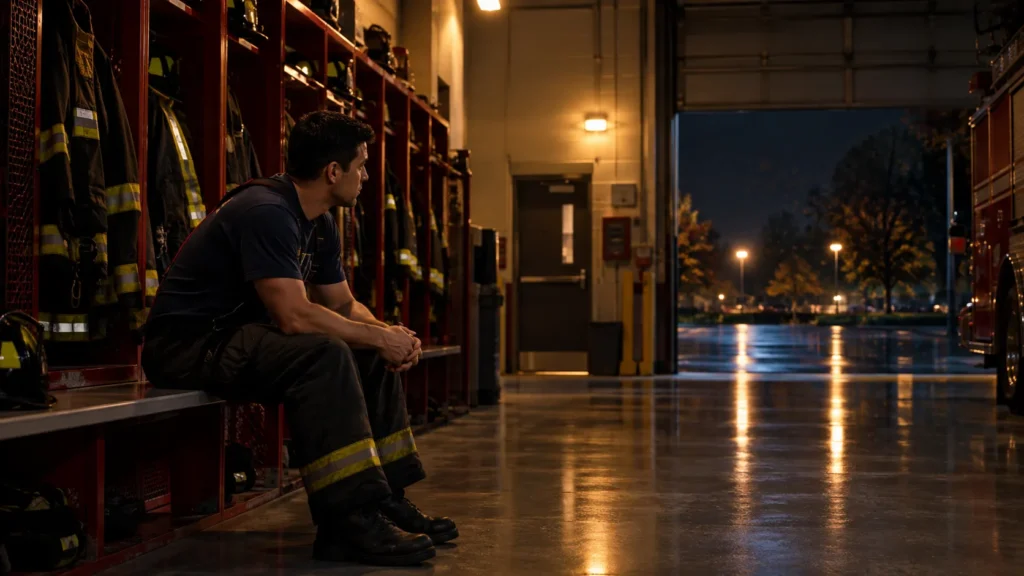
Autumn brings shorter days and longer nights across the Pacific Northwest. In Seattle, the rapid loss of sunlight brings heavy fatigue and broken sleep patterns for fire crew members. Our team provides trusted first-responder peer support to help firefighters handle these tough seasonal shifts.
Shift changes during dark months put real stress on the body. Reduced sunlight disrupts normal body rhythms and makes long hours feel much heavier. We offer a direct resource line to help callers manage these daily job pressures.
Long night shifts combined with early darkness make recovery between calls difficult. Firefighters often work through extreme physical exhaustion while keeping up with station responsibilities. Code 4 Northwest connects responders with trained peers who know how tough these winter shifts can be.
Handling Seasonal Fatigue and Sleep Disruptions
Darker days change how the body rests after a long shift. Firefighters often experience deep fatigue that disrupts healthy sleep cycles at home. Our professionals notice how seasonal exhaustion impacts both home life and work performance.
Physical stress builds up when shift bells repeatedly break sleep patterns. Fewer daylight hours affect natural energy levels, slowing recovery. Our team helps callers identify early signs of physical burnout.
Heavy physical strain often shows up in simple daily patterns across the station. Responders can look out for these common physical signs during autumn months:
- Persistent physical exhaustion that does not go away after resting at home
- Trouble falling asleep after completing overnight emergency calls
- Slower physical reaction times during standard equipment checks
- Sudden shifts in physical energy levels throughout a long work shift
Addressing physical fatigue early keeps fire crews safer on every call. Code 4 Northwest bridges the gap by offering direct peer contact when rest is hard to find. Talking with someone who shares your work environment lightens the physical weight of the job.
Accessing Confidential First Responder Peer Support in Washington State
Firefighters across Washington State can connect with trained peers by calling the dedicated resource line hosted by Code 4 Northwest. Our line connects responders to independent peer callers who offer confidential assistance without filing reports or keeping official department records.
Reaching out for help should never create worry about department oversight. Firefighters need a safe space to speak freely about physical exhaustion and heavy stress. We maintain strict privacy standards so callers can discuss their challenges without concern.
How the Peer Line Operates
Our experts keep the contact process simple, clear, and direct. Callers speak directly with fellow responders who have experienced the same demanding shift work. We listen actively and share practical ideas to help you manage physical strain.
Peer callers understand the unique demands placed on fire personnel during dark weather. Every phone conversation is built around real understanding rather than formal lectures. Code 4 Northwest ensures you receive grounded help from someone who truly knows the work.
Protecting Personal Privacy on Call
Responders sometimes fear that seeking assistance might affect their job status. Our line is an independent resource outside any fire department or local government office. We protect your privacy so you can speak openly about shift fatigue and stress.
No department leaders or supervisors receive information about who calls the line. Callers always control their own information. Our team creates a secure connection where fire personnel can focus on getting relief.
Practical Steps to Manage Darker Shift Hours
Managing seasonal sleep changes requires realistic habits during shift rotations. Firefighters can take active steps to protect their physical energy as days grow shorter. Our team recommends simple daily routines to keep your body resilient against dark weather fatigue.
Establishing clean habits around sleep and light exposure helps maintain energy. Responders can implement these straightforward steps during dark seasonal shifts:
- Sleep in a completely dark and quiet room after finishing morning shift rotations
- Avoid bright device screens right before trying to rest between emergency responses
- Drink water regularly throughout long nighttime shifts to lower physical tiredness
- Spend time outside during midday hours to maximize exposure to natural sunlight
Small adjustments to daily shift routines improve overall physical strength. Maintaining energy levels makes it easier to handle unexpected emergencies with clear focus. Code 4 Northwest provides ongoing support to help responders maintain these healthy patterns.
Working together as a station team also makes seasonal shifts easier to manage. Sharing workload during quiet hours gives everyone a chance to recharge. Our professionals encourage open communication among crew members about shift fatigue.
Further Reading:
- Confidential Help After Hard Calls: Sobriety Groups for Responders
- Bellevue and Maple Valley Assistance After Difficult Emergency Calls
Connecting With Reliable Help Today
Seasonal changes bring real physical challenges to fire stations across the Pacific Northwest. A quick phone conversation can help lighten the burden of shift fatigue before it affects your daily routine. Our team is ready to offer a direct connection to peers who understand your work.
Call Code 4 Northwest to speak with a caller who can provide confidential first-responder peer support built for your needs.